Choosing an eco-friendly cleaning company has become one of the most consequential decisions a client can make today. As awareness of environmental responsibility grows across the commercial sector, businesses and households alike are seeking sustainable cleaning services that genuinely deliver on their promises. Yet not every company that markets itself as green truly merits that label. Knowing which standards to apply when evaluating your options can save both your budget and your conscience.
What to know
- Clients should prioritize companies that use non-toxic, biodegradable products and water-efficient systems to ensure authentic environmental sustainability.
- A credible eco-friendly provider must integrate green protocols, such as using energy-efficient equipment and reusable materials, into their daily standard operations.
- Comprehensive staff training is essential to ensure employees understand and correctly implement ecological cleaning procedures and sustainable practices.
- Robust quality control systems, including regular audits and feedback loops, are necessary to maintain high operational standards and environmental accountability.
- Verifying a company’s civil liability insurance is a critical step to protect clients from potential financial liabilities during cleaning services.
- Confirming a provider’s legal registration ensures the company is subject to regulatory oversight and maintains professional integrity.
Evaluating genuine ecological cleaning products and procedures
Verifying non-toxic solutions for environmentally respectful services
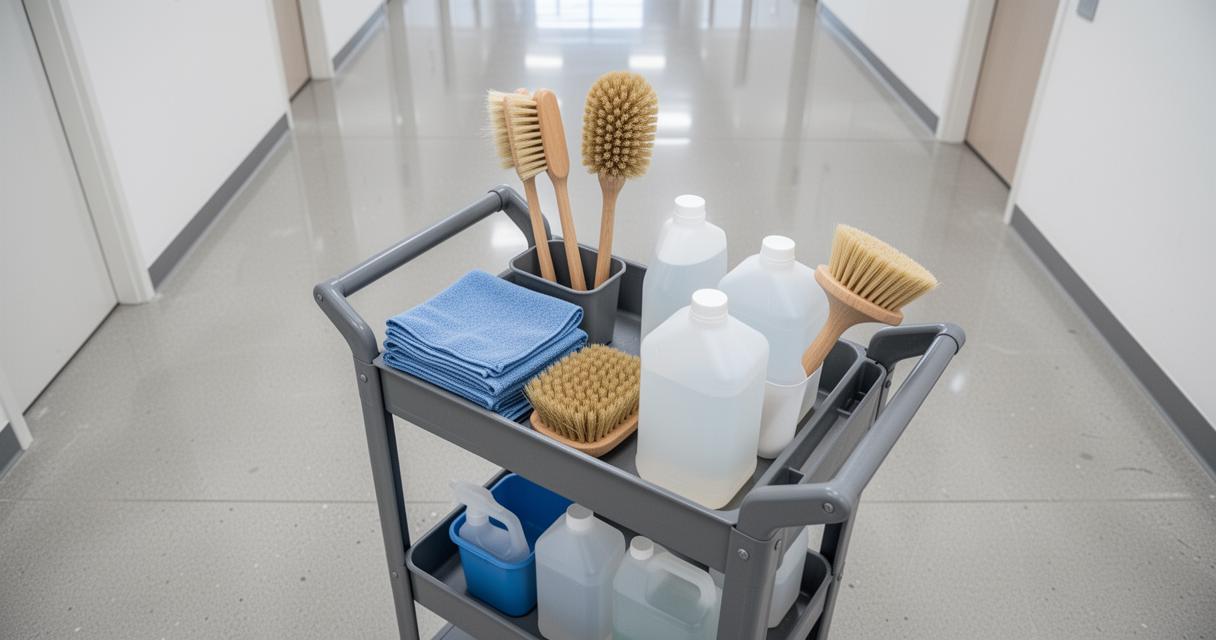
The foundation of any credible eco-friendly cleaning company lies in the products it uses. Across the industry, there is a clear and growing movement away from traditional formulations that rely on harsh chemicals, towards solutions that are biodegradable, non-toxic, and derived from natural ingredients. When assessing a potential provider, clients should request full transparency about the product range in use, including whether concentrated formulas are employed. Concentrated formulas are particularly significant because they reduce packaging waste and lower transport costs, a meaningful environmental gain that also reflects a sound commercial strategy.
It is equally worth examining whether a company uses water-efficient cleaning systems, which can cut water usage substantially in operations such as carpet cleaning. This kind of resource optimisation speaks to a genuine commitment to sustainability rather than a surface-level marketing exercise. A firm that has truly integrated eco-friendly solutions into its service line will be able to discuss these choices with confidence and clarity.

Assessing Green Cleaning Protocols across the Commercial Sector
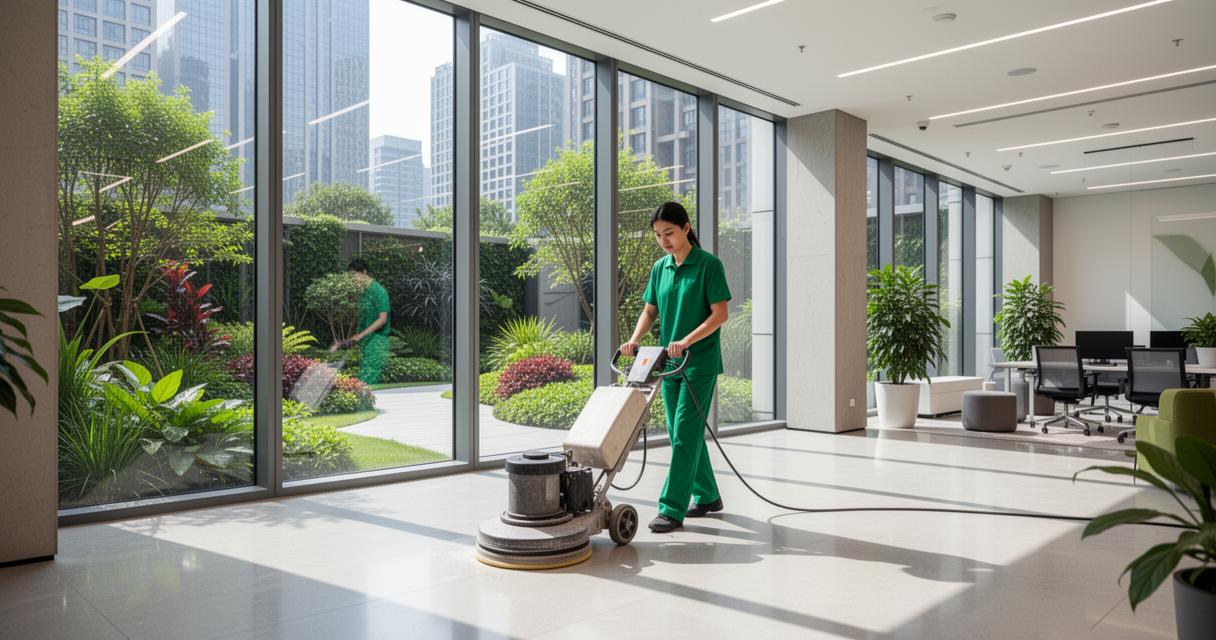
Beyond individual products, the broader cleaning protocols of a company reveal much about its environmental impact. Sustainable commercial cleaning involves systematic choices: opting for energy-efficient equipment that reduces electricity consumption without sacrificing quality, replacing disposable materials with reusable cloths to cut both costs and waste, and implementing effective recycling programmes as part of day-to-day operations. These are not merely trends, they represent a fundamental shift in how the cleaning industry approaches its responsibilities. Clients evaluating companies in this sector should look for evidence that such protocols are embedded into standard practice rather than reserved for selective showcase projects.
Investigating staff training and operational quality standards
Ensuring proper professional training for eco-friendly business practices
Even the finest eco-friendly products and procedures will fall short if the people applying them lack proper training. Staff training is one of the most telling indicators of a cleaning company’s operational quality and genuine commitment to sustainable business practices. Employees who understand the reasoning behind each ecological choice (why a particular biodegradable agent is used, how water-efficient systems function, why reusable cloths matter) are far more likely to implement procedures correctly and consistently. This depth of understanding also contributes to better employee engagement, which in turn supports retention and the overall stability of the service a client receives.
When speaking with a prospective provider, it is entirely reasonable to ask how new staff are inducted and how ongoing training is delivered. A company that invests seriously in its workforce will welcome such questions rather than deflect them. The quality of training reflects not just the company’s environmental credentials but also the professionalism and reliability you can expect as a client.

Reviewing Quality Control Systems within the Cleaning Industry
Quality control is the mechanism by which a cleaning company ensures its standards are maintained consistently across every client, every site, and every visit. In the eco-friendly segment of the market, this takes on particular importance: operational efficiency must be balanced with environmental accountability. Look for companies that conduct regular audits, gather client feedback systematically, and use the results to refine their service. Some providers in the industry are beginning to adopt technology to monitor their resource usage in real time, which supports both quality management and sustainability goals. A robust quality control system signals a business that takes its commitments seriously and has built the internal structures to honour them over the long term.
Verifying legal status and business liability insurance
Checking Civil Liability Insurance to Safeguard Client Budget and Assets
Before engaging any cleaning company, verifying that it holds adequate civil liability insurance is a step that clients should never overlook. This protection matters because accidents can occur during cleaning operations (whether damage to property, spillage, or injury) and without the right insurance in place, the financial consequences can fall upon the client rather than the service provider. A reputable company operating legitimately in this sector will carry appropriate cover as a matter of course and will have no hesitation in providing documentation to prospective clients. This is a basic standard of business conduct, yet it is one that distinguishes professional operators from less scrupulous ones.
Confirming proper business registration and legal status compliance
Alongside insurance, confirming the legal status of a cleaning company is an essential part of due diligence. A properly registered business is subject to regulatory oversight, which provides clients with meaningful recourse should disputes or failures arise. In the eco-friendly cleaning sector specifically, regulatory compliance can also intersect with environmental standards, companies that take their legal obligations seriously in one area tend to apply the same rigour across their operations. Checking registration details is straightforward and takes only moments, yet it offers considerable reassurance that the company you are engaging is accountable, stable, and committed to conducting its affairs with integrity. Taken together, these three criteria (genuine ecological products and procedures, well-trained staff underpinned by strong quality control, and sound legal and insurance standing) form a reliable framework for any client seeking a sustainable cleaning partner worthy of their trust.